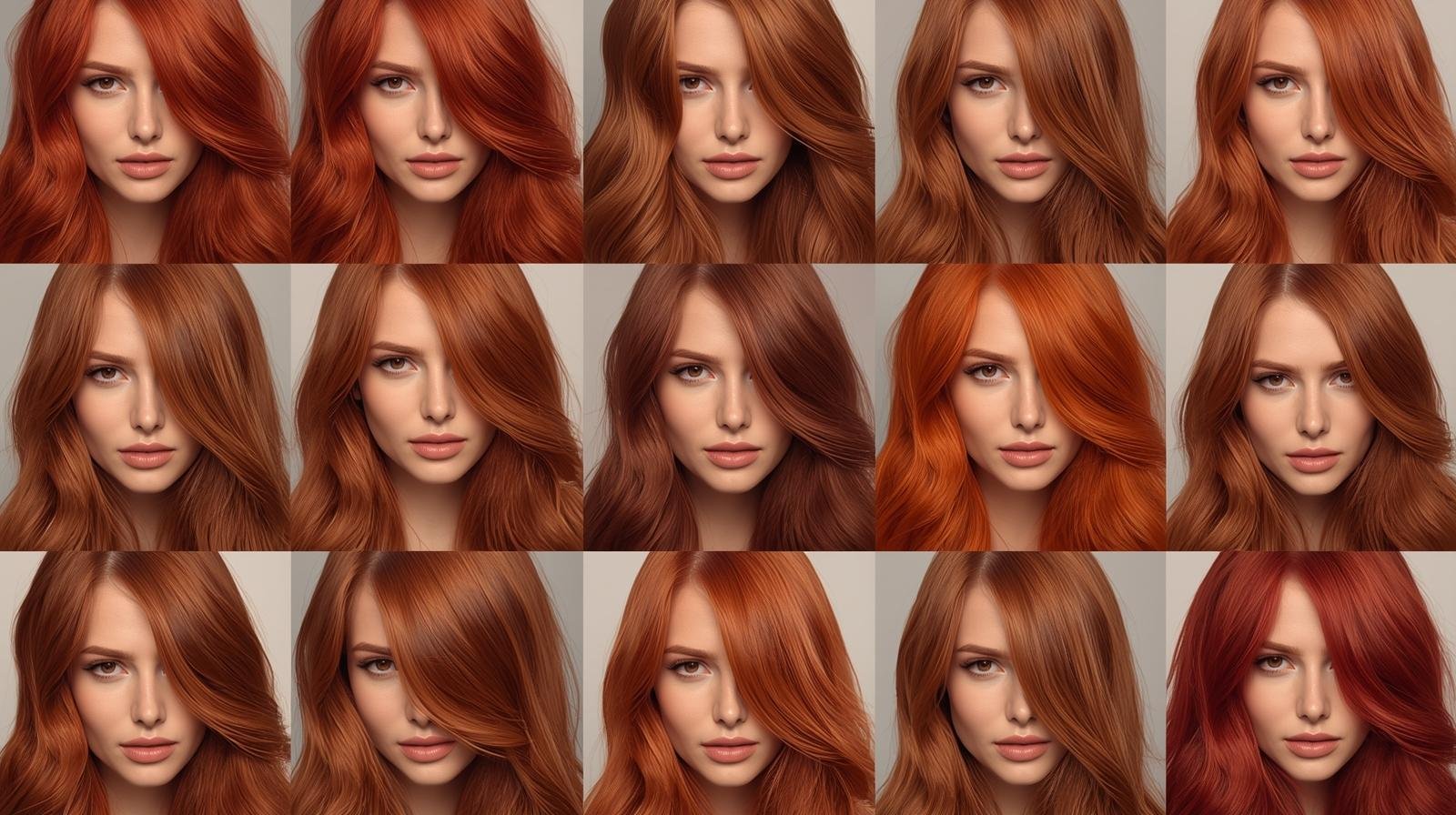
20 Stunning Red Hair Shades That Truly Shine
Red hair isn’t just a color, it’s a personality. It whispers mystery, shouts confidence, and glows like embers under sunlight. Only about 1–2% of the world’s population has natural red hair, which already makes it rare. But dyed red hair? That’s where creativity explodes. If you’ve ever stared at a box of red dye wondering “will this actually suit me?”, this guide is for you. I’ll walk you through 20 stunning red hair shades that truly shine, explaining each one in depth like I’m letting you in on a beauty secret I wish someone had told me earlier.
1. Classic Copper Red
Description:
Classic copper red is the most recognizable red shade—bright, warm, and unapologetically bold. Think of fresh pennies catching sunlight. This shade leans orange-based, making it vibrant without being neon. It’s the shade many people picture when they hear “red hair.”
Who it suits best:
- Fair to light-medium skin tones
- Warm undertones
- Light or natural hair colors (blonde, light brown)
Steps to achieve:
- Lighten hair if it’s darker than medium brown
- Apply copper-based red dye evenly
- Use a gloss treatment to enhance shine
- Finish with color-safe shampoo
Cost:
- DIY: $15–$30
- Salon: $120–$250
Pros:
- Extremely eye-catching
- Reflects light beautifully
- Timeless red shade
Cons:
- Fades faster than deeper reds
- Requires frequent touch-ups
- Can turn brassy without proper care
Tips:
Use a blue-based purple shampoo once a week to control brassiness. I learned this the hard way after my copper turned orange-carrot bright in summer.
2. Auburn Red
Description:
Auburn is the quiet luxury of red hair. It’s a rich blend of brown and red, subtle yet powerful. If copper is a spark, auburn is a slow-burning fire. This shade feels sophisticated and wearable year-round.
Who it suits best:
- Medium to deep skin tones
- Neutral to warm undertones
- Brunettes wanting a red shift
Steps to achieve:
- Choose a brown-red hybrid dye
- Apply evenly on natural or slightly lightened hair
- Use a deep-conditioning mask post-color
Cost:
- DIY: $20–$35
- Salon: $130–$280
Pros:
- Low maintenance
- Looks natural
- Fades gracefully
Cons:
- Less dramatic than brighter reds
- Can look brown in low lighting
Tips:
Ask your stylist for red-violet undertones if you want auburn to look richer instead of muddy.
3. Dark Cherry Red
Description:
Dark cherry red is sultry and dramatic, like red wine under candlelight. It’s a deep red with violet undertones that feels luxurious and bold without screaming for attention.
Who it suits best:
- Medium to deep skin tones
- Cool undertones
- Dark hair bases
Steps to achieve:
- Pre-lighten hair slightly if very dark
- Apply cherry-red dye
- Seal with color-lock treatment
Cost:
- DIY: $25–$40
- Salon: $150–$300
Pros:
- Long-lasting color
- Looks rich and expensive
- Minimal fading issues
Cons:
- Less visible in dim lighting
- Harder to remove later
Tips:
Cherry red photographs beautifully. If you love selfies, this shade will be your best friend.
4. Strawberry Blonde
Description:
Strawberry blonde sits between blonde and red, like a sunset caught in hair form. It’s soft, romantic, and effortlessly pretty.
Who it suits best:
- Fair skin tones
- Warm or neutral undertones
- Natural blondes
Steps to achieve:
- Lighten hair to blonde base
- Apply soft red-gold toner
- Gloss for shine
Cost:
- DIY: $20–$35
- Salon: $140–$260
Pros:
- Soft and natural-looking
- Low contrast regrowth
- Youthful appearance
Cons:
- Can wash out quickly
- Hard to maintain exact tone
Tips:
Mixing gold and copper tones keeps strawberry blonde from looking pink or faded.
5. Fire Engine Red
Description:
This is red in its loudest, boldest form. Fire engine red doesn’t whisper—it announces. It’s intense, vivid, and fearless.
Who it suits best:
- Neutral to cool undertones
- Confident personalities
- Anyone ready for attention
Steps to achieve:
- Lighten hair to pale blonde
- Apply pure red pigment
- Use color-sealing treatment
Cost:
- DIY: $30–$50
- Salon: $180–$350
Pros:
- Maximum impact
- Ultra-glossy finish
- Statement-making
Cons:
- Fades quickly
- High maintenance
- Stains fabrics and towels
Tips:
Wash hair in cold water only. I once ignored this and watched my red bleed away like watercolor.
6. Burgundy Red
Description:
Burgundy red blends red, purple, and brown into a deep wine tone. It’s moody, elegant, and perfect for fall and winter.
Who it suits best:
- Deep skin tones
- Cool undertones
- Dark hair
Steps to achieve:
- Apply burgundy dye on dark base
- Process longer for depth
- Condition thoroughly
Cost:
- DIY: $20–$40
- Salon: $140–$300
Pros:
- Long-lasting
- Minimal fading
- Professional look
Cons:
- Less vibrant
- Can appear almost black indoors
Tips:
Use shine serums to keep burgundy from looking flat.
7. Ginger Red
Description:
Ginger red is playful and natural, reminiscent of freckles and autumn leaves. It’s lighter than copper and has a youthful glow.
Who it suits best:
- Fair skin with freckles
- Warm undertones
- Natural blondes
Steps to achieve:
- Lighten to light blonde
- Apply ginger-toned dye
- Finish with moisturizing mask
Cost:
- DIY: $15–$30
- Salon: $120–$240
Pros:
- Natural appearance
- Brightens complexion
- Trendy yet classic
Cons:
- Requires frequent toning
- Can fade unevenly
Tips:
Avoid chlorine—it eats ginger tones alive.8. Rose Red
Description:
Rose red blends red with soft pink undertones, creating a romantic and modern shade. It’s gentle yet distinctive.
Who it suits best:
- Fair to medium skin
- Neutral undertones
- Fine hair textures
Steps to achieve:
- Pre-lighten hair
- Apply rose-red dye
- Seal with gloss
Cost:
- DIY: $25–$45
- Salon: $160–$320
Pros:
- Soft and trendy
- Unique tone
- Photogenic
Cons:
- Fades quickly
- Needs frequent refresh
Tips:
Use pink-depositing conditioners weekly to maintain tone.
9. Cinnamon Red
Description:
Cinnamon red mixes brown, red, and gold for a spicy warmth. It’s subtle but glows beautifully under light.
Who it suits best:
- Medium skin tones
- Warm undertones
- Brunettes
Steps to achieve:
- Apply cinnamon-red dye to natural hair
- Process evenly
- Deep condition
Cost:
- DIY: $20–$35
- Salon: $130–$270
Pros:
- Natural look
- Low upkeep
- Great for professionals
Cons:
- Less bold
- Hard to see indoors
Tips:
Ask for gold reflect to boost shine.
10. Mahogany Red
Description:
Mahogany red is dark, rich, and refined. Think polished wood with a red undertone that shows in sunlight.
Who it suits best:
- Medium to dark skin
- Neutral undertones
- Thick hair
Steps to achieve:
- Apply mahogany dye
- Leave slightly longer for depth
- Finish with shine treatment
Cost:
- DIY: $20–$40
- Salon: $150–$280
Pros:
- Elegant
- Long-lasting
- Minimal maintenance
Cons:
- Not very vibrant
- Hard to lift later
Tips:
Perfect if you want red without committing to brightness.
11. Ruby Red
Description:
Ruby red shines like a gemstone—deep, glossy, and luxurious. It’s a red that catches light beautifully.
Who it suits best:
- Cool undertones
- Medium skin tones
- Straight or sleek styles
Steps:
- Lighten hair if needed
- Apply ruby pigment
- Gloss and seal
Cost:
- DIY: $25–$45
- Salon: $160–$320
Pros:
- High shine
- Dramatic but wearable
- Rich tone
Cons:
- Requires upkeep
- Fades to pink if not maintained
Tips:
Heat styling enhances ruby’s reflective quality.
12. Copper Rose
Description:
Copper rose blends warm copper with blush tones. It’s soft, modern, and incredibly flattering.
Who it suits best:
- Fair to medium skin
- Neutral undertones
Steps:
- Lighten hair to warm blonde
- Apply copper-rose dye
- Tone gently
Cost:
- DIY: $30–$50
- Salon: $170–$330
Pros:
- Trendy
- Soft glow
- Unique blend
Cons:
- Fades fast
- Needs toning
Tips:
Avoid over-washing to preserve pink hues.
13. Blood Orange Red
Description:
Blood orange red is fiery with orange undertones. Bold and artistic, it’s not for the faint-hearted.
Who it suits best:
- Warm undertones
- Creative personalities
Steps:
- Bleach to light blonde
- Apply orange-red dye
- Condition deeply
Cost:
- DIY: $30–$50
- Salon: $180–$350
Pros:
- Ultra-bold
- Unique
- High-impact
Cons:
- Very high maintenance
- Fades unevenly
Tips:
Perfect for short styles or edgy cuts.
14. Wine Red
Description:
Wine red is darker and cooler than burgundy, with purple undertones that feel luxurious.
Who it suits best:
- Cool undertones
- Dark hair bases
Steps:
- Apply wine-red dye
- Seal with gloss
Cost:
- DIY: $20–$40
- Salon: $140–$300
Pros:
- Elegant
- Long-lasting
- Minimal fading
Cons:
- Can look black in low light
Tips:
Use shine products to show dimension.
15. Peachy Red
Description:
Peachy red is light, playful, and fresh—perfect for spring vibes.
Who it suits best:
- Fair skin
- Warm undertones
Steps:
- Lighten to pale blonde
- Apply peach-red toner
Cost:
- DIY: $25–$45
- Salon: $160–$320
Pros:
- Soft and youthful
- Trendy
Cons:
- Fades very fast
Tips:
Mix peach with copper for longevity.
16. Rust Red
Description:
Rust red feels earthy and grounded, like autumn leaves and clay.
Who it suits best:
- Medium to deep skin
- Warm undertones
Steps:
- Apply rust-red dye
- Gloss for warmth
Cost:
- DIY: $20–$35
- Salon: $130–$260
Pros:
- Natural look
- Low maintenance
Cons:
- Less vibrant
Tips:
Pair with textured cuts to enhance depth.
17. Cranberry Red
Description:
Cranberry red balances red and purple for a jewel-toned effect.
Who it suits best:
- Cool undertones
- Medium skin tones
Steps:
- Lighten slightly
- Apply cranberry dye
Cost:
- DIY: $25–$45
- Salon: $150–$300
Pros:
- Rich and festive
- Glossy
Cons:
- Requires upkeep
Tips:
Perfect for winter months.
18. Scarlet Red
Description:
Scarlet is bright, classic, and bold—true red without orange or purple.
Who it suits best:
- Neutral undertones
- Confident styles
Steps:
- Pre-lighten hair
- Apply scarlet dye
Cost:
- DIY: $30–$50
- Salon: $180–$350
Pros:
- Iconic
- Statement-making
Cons:
- High maintenance
Tips:
Use color-deposit masks weekly.
19. Red Balayage
Description:
Red balayage blends red shades softly through hair for dimension.
Who it suits best:
- All skin tones
- Anyone wanting subtle red
Steps:
- Hand-paint red highlights
- Blend with base color
Cost:
- Salon only: $200–$400
Pros:
- Natural grow-out
- Low maintenance
Cons:
- Costly
Tips:
Choose warm or cool red based on undertone.
20. Molten Lava Red
Description:
Molten lava red is a blend of deep red, orange, and copper—fiery and dimensional.
Who it suits best:
- Warm undertones
- Thick hair
Steps:
- Layer multiple red tones
- Gloss for shine
Cost:
- DIY: Not recommended
- Salon: $250–$450
Pros:
- Multi-dimensional
- Extremely glossy
Cons:
- Expensive
- Complex upkeep
Tips:
Best maintained professionally.
FAQs
Q: Which red hair shade lasts the longest?
Deep reds like burgundy, auburn, and mahogany last longer because they have more brown or violet pigments.
Q: Why does red hair fade faster?
Red dye molecules are larger and wash out faster. About 30–40% of red pigment can fade in the first month without proper care.
Q: How often should I touch up red hair?
Every 4–6 weeks for bright reds, 6–8 weeks for darker shades.
Q: Can red hair work on dark skin?
Absolutely. Shades like burgundy, cherry, wine, and ruby red look stunning on deeper skin tones.
Q: Is red hair high maintenance?
Yes, especially bright reds. But deeper tones and balayage options reduce upkeep.