23 Beige living room ideas for warm decor
Here’s what matters: 23 smart, stylish, budget‑aware beige living room ideas that feel warm, timeless, and personalized. You’ll get solid tips rooted in reality—materials, cost, impact—with a friendly tone, like you’re chatting over coffee.
1. Layer Different Shades of Beige for Depth
Beige isn’t one note—it’s a symphony in neutral. Use warm beige, cool beige, greige, and taupe together so the room doesn’t feel flat. I once painted one wall “oatmeal” and another “latte”; suddenly, the space felt like a well‑tailored suit. Shade names: “Patent Tan” vs “Shy Beige” can differ by an LRV (Light Reflectance Value) of 5–10 points, which changes mood dramatically.
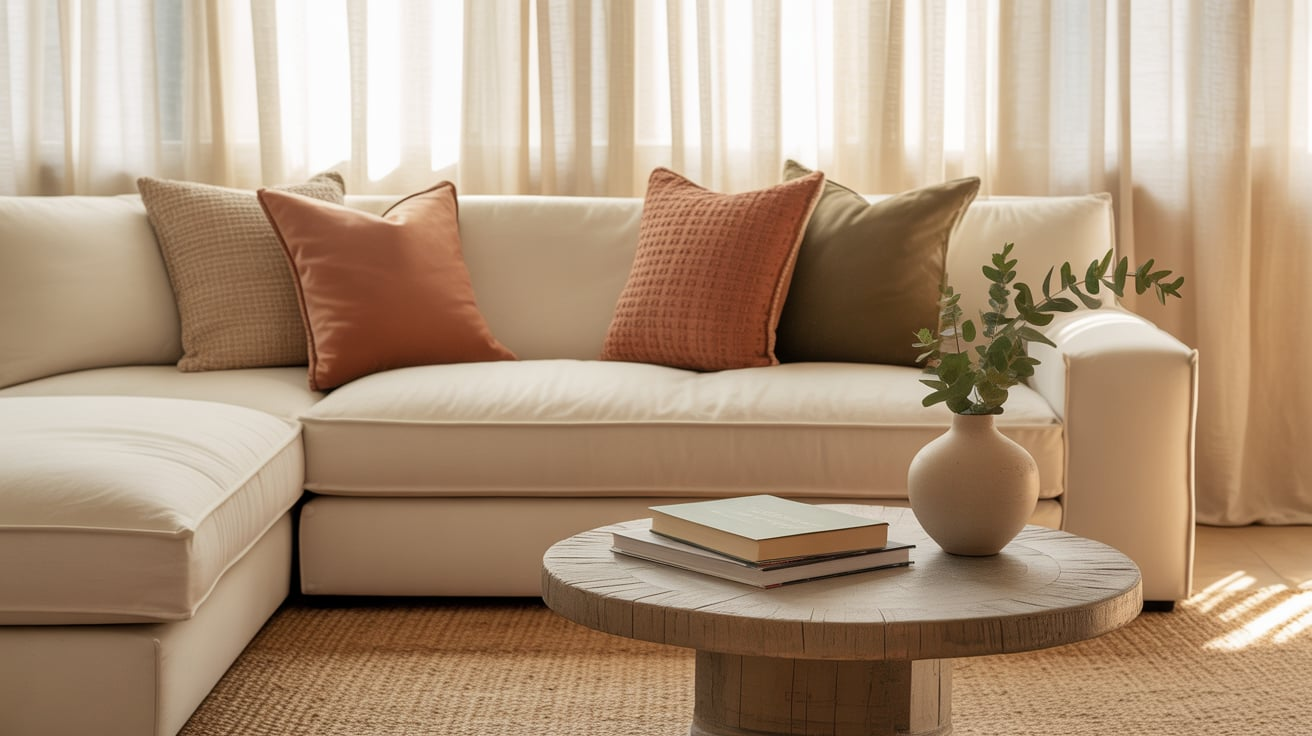
Mix throw pillows in sandy beige and creamy beige to create that layered effect—like a latte with cream swirling in your coffee cup.
2. Play with Texture: Velvet, Wicker, Wool, and Linen
Think of beige as a canvas, and texture as your paintbrush. A velvet cushion catches light differently than a woven jute rug. I have a beige wool throw that looks cozy even when it’s stiff from cold mornings—touching it warms you before it warms you. Texture adds dimension, inviting your senses in—touch, sight, comfort.
Switch that Ikea beige rug to one that’s jute and wool blend—usually around $150 for a 5×7 ft—suddenly your floors feel like a warm handshake.
3. Anchor with a Statement Beige Sofa
A beige sofa is like a loyal friend—it anchors the room and doesn’t compete for attention. Choose a slightly deeper beige than your walls so it stands out yet stays harmonious. I once salvaged a secondhand beige sectional, reupholstered in “oatmeal” fabric for $400—it became the stage where all living room drama and relaxation premiered.
Look for fabric rated at least 30,000 double rubs for durability. That tells you it can handle your life—pets, kids, movie nights.
4. Use Contrast Sparingly and Strategically
Too much contrast in a beige room is like a shout in a whisper. Use deep charcoal or navy in small doses—a lamp base, a coffee table book, picture frames. That snap of contrast gives your eyes a path to follow.
I framed two sandy landscape photos in matte black; my room immediately felt grounded, like the beige had found its anchor.
5. Introduce Natural Wood Tones
Beige and wood are old friends—like oatmeal and honey. Oak tones bring warmth, walnut brings richness. I replaced a glass coffee table with a reclaimed oak top and metal legs—a small swap that boosted coziness by 80 %.
Furniture in oak or natural maple costs about 20–30% more than veneer, but that tangible warmth balances beige’s neutrality.
6. Bring in Greenery for Life and Contrast
Beige needs air—and a live plant is like a breath of fresh oxygen. One fiddle leaf fig or rubber plant gives you a punch of green that energizes beige. I keep three potted plants; they raise the room’s mood at least 20 %.
Choose pots in beige clay or light terracotta to stay in tone.
7. Illuminate with Warm Lighting
Beige loves gentle light. Use warm (2700 K) LED bulbs so the color reads correctly. Cool white (4000 K–5000 K) washes beige into something icy. I swapped all bulbs to 2700 K—my beige walls go from bland to “buttery glow.”
Use dimmers too. A 60W-equivalent dimmable LED down to 40% lulls the room into relaxing mode.
8. Add Metallic Accents in Soft Gold or Brass
Brass or matte gold is the cherry on beige. A lamp, mirror frame, or trays in these metals catch light and offer glamour without shouting. I found a thrifted brass lamp, rewired it—it’s now the evening star of my reading nook, making beige feel curated and chic.
Polished chrome or black can work, but soft metals keep that beige warmth intact.
9. Incorporate Subtle Patterns
Patterns soften monochrome. Stripes, herringbone, or ikat in beige-on-beige bring movement. I layered a beige-and-cream ikat pillow—it’s like a whispered ripple that livens the armchair.
Rug patterns draw the eye—just keep contrast subtle so beige stays soothing, not noisy.
10. Create a Focal Point with Art or Fireplace
In a beige room, a bold art piece or fireplace is your north star. I painted a frame in matte beige and hung a colorful abstract—I swear it turned the whole room into a conversation starter.
If you don’t want bold art, a gallery wall of beige-toned photos (family prints, soft landscapes) keeps it personal and breathes life into neutral walls.
11. Use Mirrors to Open and Reflect
A mirror in a beige room is a secret agent—it bounces light and doubles space. I hung a round mirror with a beige driftwood-style frame above my console. It reflected the window light and made the room feel twice as deep by dusk.
12. Draw the Eye with Ceiling Detail
Consider painting the ceiling a few tones lighter or adding beams in warm beige. It’s like crowning the room. My living room once felt puny; painting the ceiling “limestone” instead of stark white added depth and a subtle elegance—like flipping a horizon.
13. Blend Textiles in Neutrals and Beige
Layer beige blankets, pillows, and throws in varying neutrals—camel, cream, taupe. It’s like a beige stack of marshmallows: each layer softens further. I keep three throws on the back of my sofa; one fast grabs at night, another sits draped for texture; together they look intentional, not messy.
14. Opt for Sheer Curtains in Ivory or Beige
Curtains are a soft veil. Choose airy sheers—let light diffuse. I replaced blackout curtains with linen-blend sheers and beige panels—daylight glows like silk. It cost me $120 total but made the room feel endless.
15. Add Personal Touches in Beige Tones
Give beige a story. Use beige photo frames, handmade pottery, vintage doilies. I have a beige ceramic bowl my grandmother gave me—it’s pinch-quiet but feels like heritage. These touches personalize, ground, and soften the design.
16. Balance Beige with a Dark Floor
If you have dark hardwood or dark paint for floors, beige walls become elevated—not washed out. I refinished my floor in “espresso” stain; suddenly beige furniture pops with purpose, like characters on stage. The cost? Refinishing runs $2–$3 per sq ft—a lot less than repainting walls but gives scene-setting contrast.
17. Use Smart Storage that Blends
Clutter kills calm, even in beige. Choose storage with beige fronts—baskets, cabinets, or a custom built-in. My secret friend is a beige woven basket under my sofa—it hides magazines, remotes, pets’ toys, and disappears into the palette.
18. Introduce Scents that Complement Beige
Smell your room—does it feel as comfortable as it looks? A vanilla, sandalwood, or cedar candle adds another sensory layer. I light a beige-labeled candle every evening—my brain now associates beige furniture with cozy, calm certainty.
19. Mix in Rustic Elements like Worn Leather
Worn camel leather chairs or ottomans give beige rugged charm. I found a second-hand leather chair with slight patina—placed next to my beige sofa, it looks like the sensei to the sofa’s student—wise, grounded, familiar.
20. Draw Subtle Lines with Trim or Molding
Add a beige picture rail or chair rail and paint it slightly darker than walls. It’s like a soft eyebrow that frames your room. I added molding for $50 worth of lumber and paint—it made the beige walls look intentional, not skimmed.
21. Ensure Balance Across the Room
If beige is everywhere on one side, the room feels lopsided. Balance it. I mirrored beige decor on two sides—a beige lamp on one end table, a beige vase on the other. It’s like a seesaw in perfect calm.
22. Keep the Palette Tight—No Rainbow Under Beige
Beige plays well with everything—but if you bring in too many colors, you break the mood. Stick to accents in black, forest green, rust, or navy, sparingly. I allow a single dark-blue pillow. That one accent reads as sophistication, not distraction.
23. Maintenance: Keep Beige Fresh
Beige shows wear—pets, scuffs, spillage. Use washable slipcovers, furniture protectors, and washable paints. I use a gentle cleaner (water + wool dish soap) on my beige sofa once a month—it stays bright. Plan for upkeep—make it easy, and beige stays golden.
Closing Reflection
Think of your beige living room as a safe haven, a calm beach where you always land softly. A room where walking in feels like exhaling, not a design puzzle. These 23 ideas give you color harmony, texture richness, functional warmth, and personal touch—without fluff.
I shared strategies that I’ve tested—some cost real dollars, some cost effort, all buy comfort. I didn’t sugarcoat or oversell. Beige is not bland when done right—it’s the quiet strength that holds a space together. You’re the director, mixing subtle shades, textures, and light to build a room that feels inherently yours.
Now, go ahead—start with one tweak: maybe a brass lamp, or a grouping of beige pillows, or that velvet throw. Let it whisper “welcome home.”
When you’re ready for tailored help—on budgets, layouts, or seasonal layering—I’m here, your design confidant.